The Superteam Era Is Ending: Inside the Esports Team Model Set to Dominate by 2026


Recommended casinos
For more than a decade, esports organizations pursued success through star power. The assumption was straightforward: assemble elite players, win tournaments, monetize attention. While this approach delivered short-term visibility, it has increasingly failed to produce consistent results or sustainable business models.
As competitive gaming matures, the superteam strategy is losing relevance. By 2026, the teams that dominate will be those built around systems, structure, and long-term cohesion—not headline signings.
Key Takeaways
- Esports superteams often fail due to structural and cultural weaknesses, not a lack of talent.
- The financial model behind star-stacked rosters is increasingly unsustainable at the top level of competition.
- Roster stability and long-term planning now provide a measurable competitive advantage.
- System-driven teams focused on development and coaching are positioned to dominate esports by 2026.
- Strong internal culture consistently outperforms individual star power in elite competition.
Why the Superteam Era Is Ending
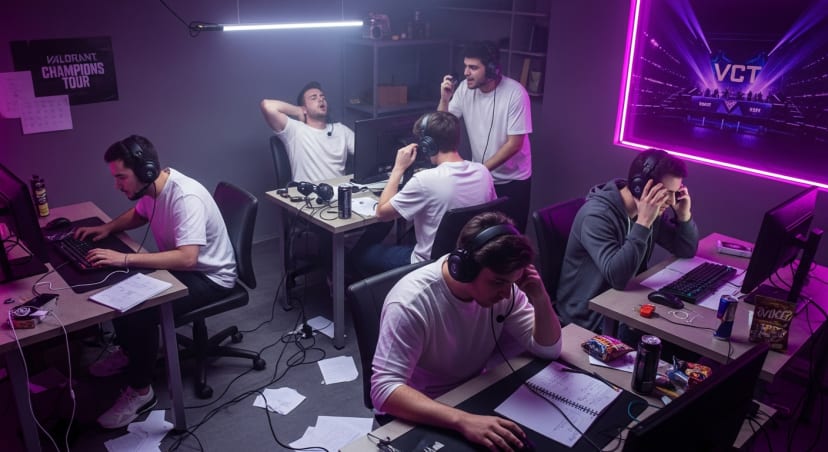
In major titles such as League of Legends, Counter-Strike, and VALORANT, superteams struggle because individual excellence does not automatically translate into effective teamwork. High-skill rosters frequently suffer from overlapping leadership, conflicting playstyles, and unclear in-game authority.
This pattern has played out repeatedly across top leagues, including the LEC, LCS, and international CS Majors, where star-studded lineups failed to meet expectations despite heavy investment.
At the same time, the financial burden of maintaining premium rosters has become difficult to justify. Rising salaries, cross-region buyouts, and short contract cycles expose organizations to high risk with limited downside protection. Sponsors and investors are increasingly prioritizing stability and long-term brand value over short-term visibility.
Roster volatility compounds the issue. Teams competing in regions such as North America and Europe often reset lineups after a single underperforming split, disrupting chemistry and stalling development. Instead of compounding improvement, many organizations remain trapped in perpetual rebuild cycles.
The Team Model That Will Define Esports in 2026
A different model is already taking shape across several regions and competitive ecosystems. It prioritizes structure over stardom and sustainability over spectacle.
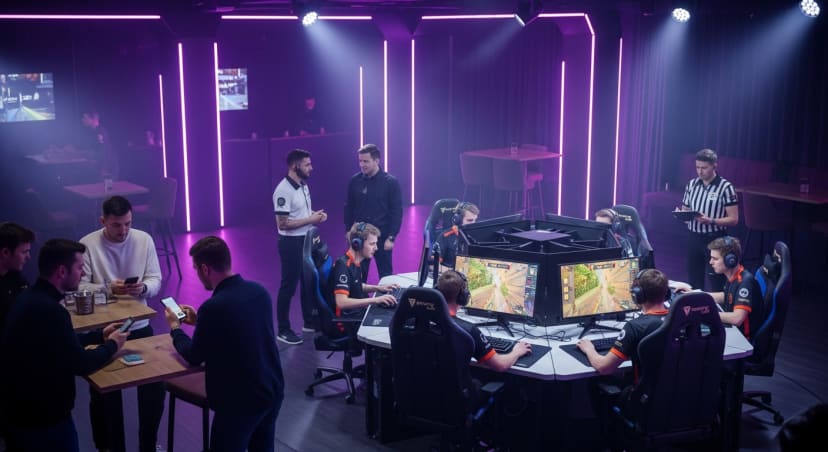
Organizations operating in South Korea and China have long emphasized development pipelines, a model now being adopted more widely in EMEA and North America. Rather than chasing marquee signings, these teams build rosters around defined roles, intentional leadership, and strong coaching infrastructure.
In titles like League of Legends and VALORANT, teams investing in analytics, performance psychology, and long-term player growth are showing greater consistency at international events.
Culture plays a central role. Teams built on trust, discipline, and shared expectations adapt faster and perform more reliably than fragmented rosters built around individual brands. In high-pressure competition, cohesion consistently outperforms raw mechanics.
“Esports isn’t abandoning talent—it’s abandoning the idea that talent alone wins championships.”
By 2026, successful esports organizations will increasingly resemble high-performance sports programs rather than talent showcases. The focus will be on repeatable success across seasons—not isolated, viral moments.